
Introduction to Social Media Influencers
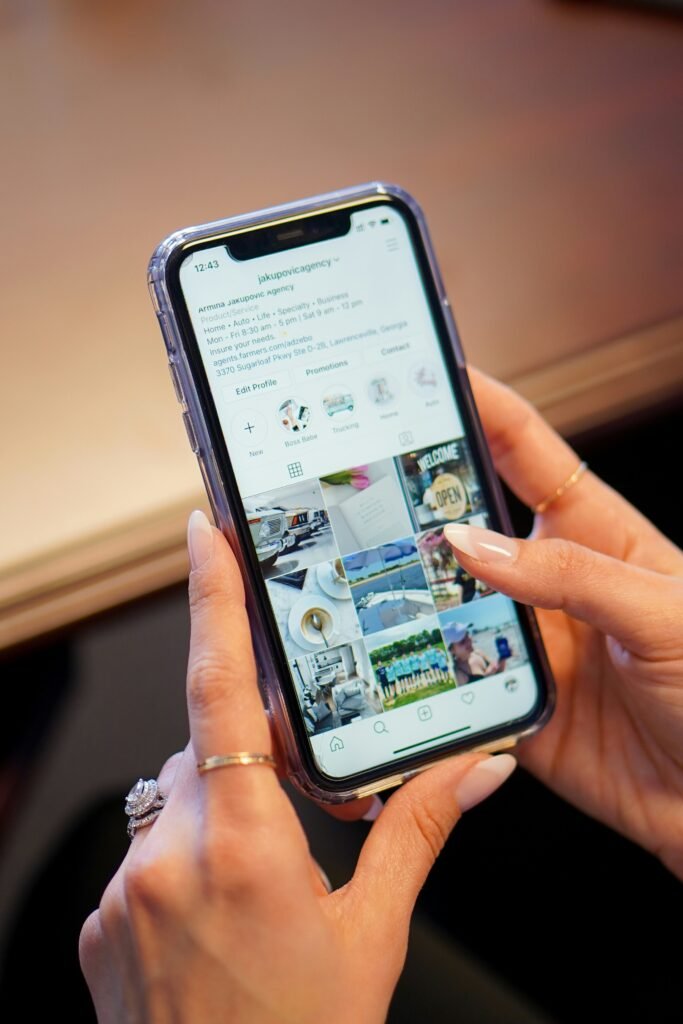
In recent years, social media influencers have emerged as significant figures within the realms of digital marketing and media representation. They are individuals who have amassed a substantial following on platforms such as Instagram, YouTube, and TikTok, using their personal brands to impact consumer behavior and public opinion. Influencers range widely in terms of audience size, from micro-influencers with niche followings to megastars boasting millions of fans. Their importance in contemporary media extends beyond mere marketing; influencers often serve as trendsetters and cultural arbiters, providing their followers with insights into lifestyle choices, fashion, and even social issues.
The emergence of these individuals has shifted traditional marketing strategies, leading brands to collaborate with influencers to reach targeted demographics more effectively. This partnership enables brands to engage directly with potential customers in a way that feels organic and relatable, as influencers share their personal experiences with products and services. Moreover, the rise of influencer marketing coincides with a notable rise in consumer trust; audiences are increasingly turning to their preferred influencers for guidance, often valuing their opinions over traditional advertisements.
As the landscape of social media evolves, the concept of ethnicity becomes increasingly relevant in discussing the influence wielded by these figures. Ethnicity can play a crucial role in shaping an influencer’s identity, the audience they attract, and the types of messages they convey. Influencers come from diverse backgrounds, which informs their perspectives and the narratives they promote, allowing them to connect with various communities. This diversity not only enriches content creation but also fosters discussions around representation in the media. As we further explore the intricate relationship between ethnicity and the personal lives of social media influencers, it becomes essential to understand how these dynamics impact their outreach and influence.
The Impact of Ethnicity on Influencers’ Content
In the contemporary landscape of social media, ethnicity plays a pivotal role in shaping influencers’ content, as it often informs their unique perspectives, cultural expressions, and the communities they represent. Through the lens of ethnicity, influencers can create content that resonates with their audience on a deeper level, fostering a sense of authenticity that is increasingly valued in today’s digital age.
One prominent example of an influencer who highlights their ethnic background is Rihanna, whose Barbadian heritage significantly influences her music, fashion, and entrepreneurial ventures. By embracing and celebrating her culture, she has cultivated an engaging brand that appeals to a wide demographic while also giving representation to Caribbean culture in mainstream media. Similarly, Aimee Song, a Korean-American fashion influencer, often integrates elements of her Asian heritage into her style and content, showcasing traditional Korean attire alongside contemporary fashion, thus bridging gaps between cultures.
The impact of ethnicity is not limited to mere representation; it also extends to community engagement. Influencers from diverse backgrounds often find themselves in a position to speak on issues pertinent to their communities, whether it’s promoting cultural awareness, challenging stereotypes, or advocating for social justice. For instance, Leah Kbeauty, a beauty influencer of Asian descent, utilizes her platform to discuss issues related to racism and representation in the beauty industry, emphasizing the importance of inclusivity and diversity.
Moreover, influencers often engage their audiences through culturally relevant content that celebrates their heritage during significant cultural events, such as Diwali, Lunar New Year, or Black History Month. This engagement not only educates their followers about different cultures but also strengthens community bonds and fosters inclusivity within the digital space. In summary, the way influencing operates is heavily intertwined with ethnicity, as it enriches content with invaluable perspectives and fosters community connections that resonate deeply with audiences.
Representation and Diversity in the Influencer Space
The representation of diverse ethnic groups within the influencer community is a pressing concern in the digital landscape. As social media platforms have become vital spaces for communication and self-expression, the need for visibility and inclusivity has gained momentum. While the influencer space has witnessed significant growth, the level of representation has not always mirrored societal diversity. Many influencers who rise to prominence often come from similar backgrounds, creating a homogenous narrative that fails to encompass the myriad of experiences found within different ethnic communities.
Recent years have seen progress in efforts to enhance diversity among influencers. Various initiatives and programs have been developed to spotlight underrepresented voices. Brands are increasingly recognizing the importance of partnering with influencers from diverse backgrounds to appeal to a broader audience, reflecting a shift toward more inclusive marketing strategies. This change signifies progress in featuring minority groups, including people of color and those from marginalized communities, effectively amplifying their stories and experiences.
However, challenges persist in the quest for authentic representation. Many influencers from underrepresented minority groups often encounter systemic barriers, such as limited access to resources, sponsorship opportunities, and networking channels. Moreover, there is the risk of tokenism, where brands may collaborate with a minority influencer primarily for appearances, without genuinely engaging with their perspectives or contributions. This superficial engagement can perpetuate stereotypes and undermine genuine diversity efforts.
Furthermore, the pressure to conform to dominant narratives can lead influencers to alter their authentic selves to fit the mainstream mold, potentially stifling cultural expression. Thus, while there is a clear demand for greater representation and diversity within the influencer space, continuous efforts are necessary to ensure that underrepresented voices are not just heard, but also valued and respected in their unique identities.
Cultural Influences on Personal Life
The intersection of ethnicity and social media representation is a significant aspect of the influencers’ personal lives. Social media influencers often draw upon their cultural backgrounds to shape their values, beliefs, and lifestyle choices. This inherent connection between ethnicity and personal identity becomes particularly pronounced when viewed through the lens of their social media channels.
For instance, an influencer’s cultural heritage can inform their approach to food, fashion, and social interactions, subsequently shaping the content they share with their audience. Influencers from diverse ethnic backgrounds may showcase traditional recipes or cultural attire, enriching their personal narratives and providing their followers with valuable insights into various lifestyles. This sharing not only promotes cultural awareness but also fosters greater appreciation for diversity in contemporary society.
Moreover, the values instilled by an individual’s ethnic background often influence their perspectives on social issues, family dynamics, and community engagement. Influencers are tasked with representing these nuances authentically, as they cultivate their personal brands across platforms. In many cases, they utilize their platforms to discuss ethnic identity and the challenges they face, creating dialogues that resonate with followers who may share similar experiences.
Furthermore, social media enables influencers to celebrate their heritage while navigating the complex landscape of modern identity. They may choose to highlight the interplay between traditional values and contemporary lifestyle choices, illustrating how their backgrounds inform their daily decisions. This blend of heritage and modernity captivates audiences and encourages a broader conversation about the role of ethnicity in shaping personal lives.
Intersection of Ethnicity and Brand Partnerships
In the contemporary digital landscape, social media influencers play a critical role in shaping consumer perceptions and behaviors. The intersection of ethnicity and brand partnerships is a nuanced area that influences not only the types of collaborations influencers pursue but also how effectively these partnerships resonate with their audiences. Ethnicity can significantly shape an influencer’s identity, affecting their personal values, cultural backgrounds, and the brands they choose to represent.
In essence, many influencers leverage their ethnic backgrounds as a foundation for building their online personas. This often leads them to engage with brands that share similar cultural values or that prioritize inclusivity and diversity in their messaging. For instance, an influencer from a particular ethnic background may be more inclined to partner with brands that celebrate multiculturalism and speak authentically to the experiences of their community. Such collaborations not only ensure alignment with their personal values but also cultivate a sense of authenticity, which is paramount in maintaining audience trust and engagement.
Moreover, brands that recognize the importance of diversity in influencer marketing are better positioned to connect with varying consumer demographics. They are increasingly seeking influencers whose ethnic backgrounds allow them to offer unique perspectives and narratives, thus creating richer, more relatable content. In this way, ethnicity serves as a powerful lens through which brands can understand consumer preferences and tailor their messaging accordingly.
While there are challenges regarding representation and stereotypes within the influencer space, the dynamic relationship between ethnicity and brand partnerships highlights the necessity for both influencers and brands to prioritize cultural sensitivity and authenticity. As this intersection continues to evolve, it becomes imperative for influencers to seek collaborative opportunities that not only reflect their heritage but also promote genuine brand values, contributing to more meaningful connections with their audiences.
Case Studies of Influencers from Diverse Ethnic Backgrounds
Social media platforms have become pivotal avenues for individuals to express their identities and share their cultures, particularly among those from diverse ethnic backgrounds. This section explores three successful influencers, each representing a unique cultural narrative, examining their journeys, challenges, and achievements both on social media and in their personal lives.
One notable influencer is Amina Muaddi, a Jordanian-Italian designer and entrepreneur known for her distinctive footwear line, particularly the “Amina Muaddi” brand. Muaddi’s journey began in the realms of fashion design, where she faced numerous challenges as a woman of color in an industry often dominated by Western ideals. Through perseverance and authentic representation, she has garnered a strong following on platforms like Instagram, where she shares not only her designs but also her personal experiences, thereby fostering a community that celebrates both fashion and cultural diversity.
Another prominent figure is LeJuan James, a Puerto Rican-American content creator celebrated for his comedic skits that highlight Latino culture. His social media presence is a testament to his ability to leverage humor to address stereotypes, showcase the richness of Puerto Rican traditions, and build a bridge to a broader audience. Despite facing challenges related to cultural appropriation and representation, James has successfully navigated these issues by remaining true to his roots, advocating for positive representation within the media.
Lastly, we have Huda Kattan, an Arab-American beauty influencer and entrepreneur who has revolutionized the beauty industry through her cosmetic brand “Huda Beauty”. Kattan’s rise to fame is rooted in her ability to connect with her audience authentically, sharing her personal stories and struggles within the beauty standards that often marginalize women of Middle Eastern descent. Her success has not only increased visibility for diverse beauty products but has also empowered countless individuals to embrace their unique identities.
Through these case studies, it becomes evident that influencers from diverse ethnic backgrounds are not merely content creators; they are cultural ambassadors who navigate challenges while promoting inclusivity and representation in the social media landscape.
Public Perception and Response to Ethnic Influencers
The landscape of social media has facilitated the rise of ethnic influencers who share their cultures, experiences, and perspectives, captivating a diverse audience worldwide. Public perception of these influencers can vary significantly based on several factors, including the influencer’s cultural background, the content they produce, and the societal context in which they operate. Many followers admire these individuals for their authenticity and relatability, often expressing support and appreciation through likes and shares. This admiration can create a sense of community among followers who resonate with the influencer’s ethnic identity.
However, the response is not solely positive. Ethnic influencers frequently face criticism and scrutiny from segments of the public. Critiques may often arise from misunderstanding or cultural appropriation claims, particularly when influencers engage with aspects of cultures outside their own. This dichotomy of admiration and criticism can impact an influencer’s personal life, leading to emotional distress or a sense of isolation. Navigating public perception becomes a complex task as ethnic influencers strive for authenticity while managing the sensitivity surrounding cultural representation.
Moreover, the responses from followers can be influenced by broader social trends, including discussions around diversity and inclusion. As the conversation around race and ethnicity becomes more prevalent, ethnic influencers may find themselves in the position of advocates for their culture, which can amplify their platform but also increase the expectations placed upon them. The intricate balance between personal expression and public expectation poses unique challenges. Career trajectories for these influencers are often shaped by how they respond to their audience, as both supportive and critical feedback can alter their content strategies and public engagement.
Challenges Faced by Influencers Regarding Ethnicity
Social media influencers from diverse ethnic backgrounds often encounter a unique set of challenges stemming from their ethnicity. One significant issue is the prevalence of stereotypes that can diminish their credibility and authenticity. Many influencers must confront and counteract common biases associated with their cultural backgrounds, as these stereotypes can shape public perception and limit the reach of their content.
Another area of concern is the ongoing debate surrounding cultural appropriation. Influencers navigating the delicate balance between sharing their heritage and engaging with broader cultural trends often find themselves under scrutiny. They must be cautious not to appropriate elements from other cultures without proper understanding or respect. This aspect of their work can lead to public backlash or accusations of insensitivity, which can significantly impact their careers and their relationships with followers.
Additionally, there is an inherent pressure for influencers to accurately represent their heritage. Many feel an obligation to showcase their culture authentically while also ensuring that they do not fall into the trap of essentialism, where they are reduced to merely a representative of their ethnicity. This challenge becomes compounded when influencers have a mixed or multicultural background, as they may struggle to convey their identity in a way that satisfies multiple audiences.
Furthermore, the online environment often amplifies these challenges, as influencers are subject to the opinions of a vast and varied audience. Negative comments and judgments related to their ethnicity can take a toll on their mental health and self-perception. As influencers strive to carve out their niches in the saturated social media space, addressing and overcoming these challenges is imperative for their personal and professional development.
Conclusion and Future Outlook
In recent years, social media influencers have emerged as powerful figures in shaping public perceptions and trends across various demographics. A critical aspect of this phenomenon is the relationship between ethnicity and the personal lives of these influencers. As we examined, influencers from diverse ethnic backgrounds bring unique perspectives and narratives to their platforms, fostering a richer tapestry of content that reflects varied cultural experiences. The way influencers navigate their ethnicity influences not only their branding but also audience engagement, as followers often seek relatable figures who resonate with their backgrounds and experiences.
The integration of ethnicity into the personal lives of social media influencers can create a nuanced understanding of identity and authenticity. As influencers share their individual stories, including aspects of their cultural heritage, they help bridge gaps and promote inclusivity within their communities. Notably, this trend has been amplified by the increasing demand from audiences for diverse representation across social media channels. Followers are more likely to engage with influencers whose experiences reflect their own, leading brands to recognize the importance of partnering with a broader range of representatives.
Looking ahead, the future of social media influencer dynamics appears promising, with potential growth in the focus on diversity and inclusivity. As platforms continue to evolve, the representation of different ethnicities is likely to expand further, encouraging influencers to share deeper, more authentic narratives. This movement may lead to greater empowerment among influencers from underrepresented groups, allowing them to claim their space and influence societal norms. Ultimately, fostering an environment that promotes diverse voices will not only benefit the influencers themselves but also create a richer, more inclusive media landscape for audiences and brands alike. This shift is not merely a trend; it is a necessary evolution towards a more equitable representation of society within digital spaces.