
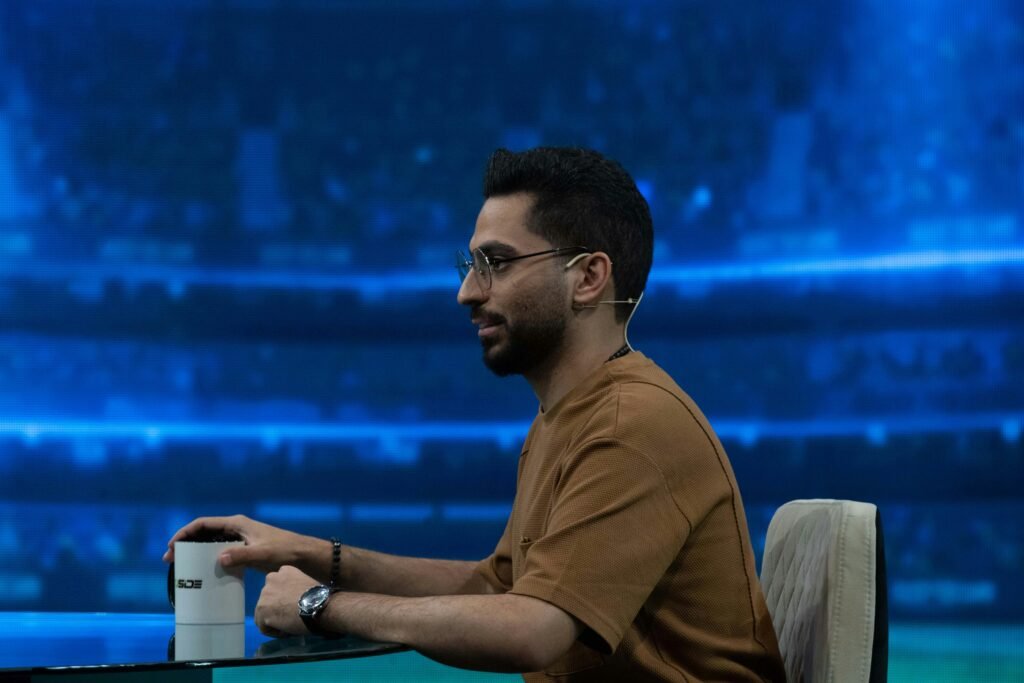
Introduction to Political Commentators
Political commentators are individuals who analyze, interpret, and provide insights on political events, policies, and trends. They play a crucial role in shaping public opinion by disseminating their analyses through various media platforms, including television, radio, newspapers, and digital outlets. Their influence on political discourse cannot be understated, as they often serve as a bridge between complex political issues and the general public, translating intricate political jargon into accessible language.
In today’s media landscape, political commentators can vary widely in their perspectives, from conservative to liberal, and everything in between. This diversity is essential, as it fosters a more comprehensive understanding of political matters. Commentators often engage with their audiences through opinion pieces, live discussions, and strategic analysis, contributing to a richer public dialogue about governance and policy. Their work not only informs the electorate but also encourages civic engagement by highlighting the significance of participation in democracy.
The presence of political commentators in media is vital for a well-functioning society. By presenting various viewpoints, they encourage critical thinking and informed decision-making among citizens. In doing so, they help demystify governmental processes and allow individuals to grasp the implications of political actions on their daily lives. This blog post will explore the lives and wealth of these influential figures, shedding light on their backgrounds, the sources of their income, and the impact they have on society. By delving into the multifaceted roles of political commentators, we aim to provide readers with a nuanced understanding of their significance in contemporary media and politics.
Notable Political Commentators
Political commentators have become integral players in today’s media landscape, influencing public opinion through their insights and analyses. Among the most notable figures in this domain is Rachel Maddow, an American television host and political commentator known for her meticulous research and strong viewpoints. Maddow, who hosts a prime-time show on MSNBC, has built a reputation for presenting complex political issues in a digestible format, often highlighting the implications behind current events.
Another influential commentator is Ben Shapiro, a conservative political analyst and commentator known for his sharp debate skills and incisive commentary. Shapiro’s career began in journalism and expanded through various media platforms, including his popular podcast, “The Ben Shapiro Show,” where he discusses contemporary political issues and challenges progressive narratives.
On the social media front, one cannot overlook the impact of figures like Cenk Uygur, co-founder of The Young Turks (TYT), a progressive news and commentary network. Uygur’s engaging discussions on politics, justice, and societal issues have resonated with a wide audience, particularly among younger demographics. His approach often combines humor with critical analysis, making complex political discussions accessible.
These commentators, among others, bring their diverse backgrounds and perspectives, contributing significantly to the political discourse. Through their various platforms, they not only inform the public but also shape narratives that can influence political outcomes. Their roles demonstrate the power of media as a tool for education and engagement in the democratic process.
Early Life and Education of Political Commentators
The early life and education of political commentators often play a significant role in shaping their perspectives and commentary styles. Many prominent commentators come from diverse backgrounds that deeply influence their political viewpoints and analytical approaches. For instance, several notable figures in political commentary have roots in politically active families, which can spark an early interest in public affairs and policy discussions. This exposure during formative years cultivates a foundation for their future roles as commentators.
Education is another critical element in the development of these individuals. Many political commentators pursue degrees in fields such as political science, law, or journalism, equipping them with the analytical skills necessary for effective commentary. Institutions renowned for their political programs, such as Harvard, Yale, and Stanford, have produced many influential voices in political discourse. The academic training received at these institutions helps sharpen their understanding of political theories, historical contexts, and current events.
Pivotal experiences, both in and outside the classroom, also contribute richly to the personal and professional development of commentators. Internships, volunteer experiences with political campaigns, and participation in debate clubs often provide practical exposure to the political realm. These experiences not only enhance their understanding of the political landscape but also facilitate the development of critical thinking and communication skills that are vital for effective commentary.
In summary, theearly life and education of political commentators provide essential insights into their perspectives. The combination of family background, formal education, and real-world experiences shapes the analytical skills and political viewpoints that define their careers as influential voices in public discourse.
Career Trajectories of Political Commentators
The journey to becoming a political commentator often involves a diverse range of experiences and backgrounds. Many commentators start their careers in journalism, gaining valuable skills in research, writing, and analysis. For instance, some may begin as reporters covering local or national news, where they hone their ability to discern critical issues that resonate with the public. Over time, these journalists may transition into commentary roles as they establish their reputation and expertise in specific political areas.
Educational backgrounds also play a significant role in shaping the careers of political commentators. A majority possess degrees in fields such as political science, communications, or journalism, which provide a foundational understanding of political systems and media dynamics. Notably, advanced degrees or specialized training can further enhance a commentator’s insight and credibility. Many commentators pursue internships in news agencies or political institutions, which can serve as gateways to future opportunities.
In recent years, various media platforms have emerged, allowing political commentators to diversify their careers significantly. Traditional avenues like television news programs remain popular, but social media and podcasting have transformed how commentators share their views. Many build personal brands on platforms such as Twitter, YouTube, or dedicated podcast channels, reaching wider audiences and driving discussions on pertinent political issues.
Key milestones in their careers often include not only appearances on notable TV programs or publications but also the publication of books that reflect their insights and analyses. These milestones contribute to a commentator’s influence and establish them as authoritative voices in the political sphere. Overall, the career trajectories of political commentators highlight a blend of journalistic experience, educational preparation, and adaptability to the changing media landscape.
Public Persona and Influence
The public personas of political commentators play a pivotal role in determining their influence within both the media landscape and broader political discourse. These individuals craft their images through a combination of their communication style, personal branding, and the platforms they choose to engage with their audiences. Whether on television, radio, online platforms, or through published literature, their approach often resonates with specific demographic groups, reflecting their political ideologies and social perspectives.
The manner in which these commentators articulate their ideas significantly contributes to their public influence. Many employ persuasive communication techniques, utilizing rhetorical strategies that appeal to emotions and logical reasoning alike. Through the effective use of language and by presenting themselves as authoritative voices, they shape public opinion on a variety of political issues. For instance, commentators who adopt a confrontational style may galvanize their supporters but also polarize audiences, thereby influencing the political landscape profoundly.
Moreover, the impact of political commentators extends beyond mere opinions; they often become catalysts for political movements and social changes. Their statements can motivate citizens to engage in activism, demand policy changes, or participate in electoral processes. As influencers of thought, these commentators hold a unique power to shape narratives that can sway public perceptions and actions. Such dynamics reflect not only their personal values but also the collective sentiments of the communities they represent.
Today, with the rise of social media, the immediacy of their opinions can amplify their reach and influence. Commentators now find themselves in an ever-evolving landscape where their words can ignite discussions and mobilize audiences within minutes. This evolving relationship with their audience highlights the complexities surrounding their public images—balancing authenticity and mass influence in an era of rapid information dissemination.
Net Worth of Political Commentators
The financial landscape of political commentators is often shaped by various factors, making it a diverse and competitive field. Political commentators, who offer insights and opinions on current events and government policies, have the potential to achieve significant financial success through multiple channels. A core aspect contributing to their net worth is their media presence, which encompasses television appearances, radio shows, and online platforms. These avenues not only amplify their reach but also increase their marketability, leading to lucrative contracts and opportunities.
Book deals represent another crucial source of income for many commentators. These professionals often capitalize on their expertise and public recognition by authoring books that provide in-depth analyses or personal perspectives on political topics. Such publications can generate substantial revenue through sales, further enhancing their overall wealth. Additionally, many political commentators leverage their writing skills by contributing articles to major publications or blogs, thereby expanding their income streams.
Moreover, social media has transformed the landscape for political commentators. With large followings on platforms like Twitter, Facebook, and Instagram, commentators can effectively engage with audiences while attracting sponsorships and advertising revenue. This online influence not only bolsters their visibility but also translates into financial gains through various monetization strategies, including affiliate marketing and paid promotions.
In summary, the net worth of political commentators is a multifaceted topic, influenced by their media presence, book deals, and social media ventures. As they navigate the complexities of public opinion and maintain relevancy in their discourse, their financial success often follows suit, reflecting the dynamics of today’s political climate.
Controversies Surrounding Political Commentators
Political commentators often occupy a unique space in media, wielding significant influence over public opinion and political discourse. However, their prominence does not come without controversy. Instances where commentators have expressed strongly partisan views, often backed by selective facts, have ignited debates about the integrity of political analysis. Critics argue that such practices can misinform the public, fostering division rather than encouraging constructive dialogue.
One notable controversy involves an instance when a prominent commentator made disparaging remarks about a public figure, which led to widespread backlash and calls for accountability. This incident raised questions regarding the ethical responsibilities of political commentators. Is it acceptable for them to express personal opinions if those opinions materially influence their audience’s perception of political issues? This ethical dilemma remains at the forefront of discussions surrounding political commentary.
Moreover, as political landscapes change, so too do the narratives crafted by these commentators. In some cases, shifts in their positions on key issues have raised eyebrows among their followers, leading to accusations of opportunism. For example, when certain commentators flip their stance on major policies based on current events, critics argue that this undermines their credibility, potentially leaving their audience confused about where the commentator truly stands.
Additionally, the rise of social media has magnified the impact of these controversies. Comments made on various platforms can quickly spiral into trending topics, leading to public outcry and even backlash against the commentators themselves. This phenomenon underscores the responsibility of these figures to navigate their commentary carefully, as their influence extends beyond traditional media formats.
Future Trends in Political Commentary
The landscape of political commentary is undergoing significant transformation, driven by advancements in technology and the rise of social media platforms. These changes are reshaping how individuals engage with political discourse and influence public opinion. One of the most notable trends is the emergence of social media influencers who are increasingly vocal about political issues. Unlike traditional commentators, these influencers often appeal to younger audiences and provide perspectives that resonate on more personal levels. This shift in communication dynamics allows for a more diverse range of opinions to surface, creating a more vibrant political dialogue.
Additionally, technology is continually altering the mechanisms through which political information is disseminated. With the proliferation of smartphones and the ubiquity of social media, political commentary is no longer limited to conventional news outlets. Platforms such as Twitter, Instagram, and TikTok have become vital channels for real-time updates and discussions. This immediacy allows commentators to respond swiftly to unfolding political events, giving audiences access to timely analyses and diverse viewpoints. However, this trend also poses challenges, as misinformation can spread rapidly across these networks, complicating the public’s ability to discern credible sources.
Moreover, artificial intelligence (AI) is making inroads into political commentary by providing insights based on data analysis. AI tools can analyze public sentiment and trends within specific demographics, facilitating more targeted and relevant political discussions. As these tools become more mainstream, the quality and nuance of commentary may improve, potentially leading to more informed public discourse.
In summary, the future of political commentary is likely to continue evolving alongside technological advancements and changing audience expectations, emphasizing the need for adaptability among commentators and the platforms they use.
Conclusion: The Impact of Political Commentators on Society
Political commentators play a vital role in shaping public discourse and understanding of the complex political landscape. By offering informed insights and interpretations, they contribute significantly to a well-informed electorate, which is essential for the functioning of a healthy democracy. Their analyses help demystify political events, making them more accessible to the general populace, thus enhancing civic engagement.
Moreover, political commentators serve as crucial intermediaries between politicians, policies, and the public. They have the power to influence narratives and can facilitate deeper discussions surrounding pressing social and economic issues. In doing so, they not only provide frameworks for understanding current events but also influence public opinion and political behavior through their commentary and critiques.
In this age of information overload, the role of political commentators extends beyond mere reporting or opinionating. They act as educators, bringing clarity to complex legislative processes and highlighting the implications of government actions. Their work is particularly important during election cycles when voters seek comprehensive analyses to make informed choices. This impact is long-lasting, as it shapes not only immediate public perceptions but also the historical narrative surrounding political events.
In conclusion, political commentators are essential to the democratic process, influencing public understanding and shaping the political narrative. Their insights and critiques serve to engage citizens, encourage informed debates, and ultimately foster a more participatory political environment. As they continue to adapt to changing media landscapes, their role in informing and shaping the views of the public remains as crucial as ever.